
Samsung reveals plans for 1.4nm chips
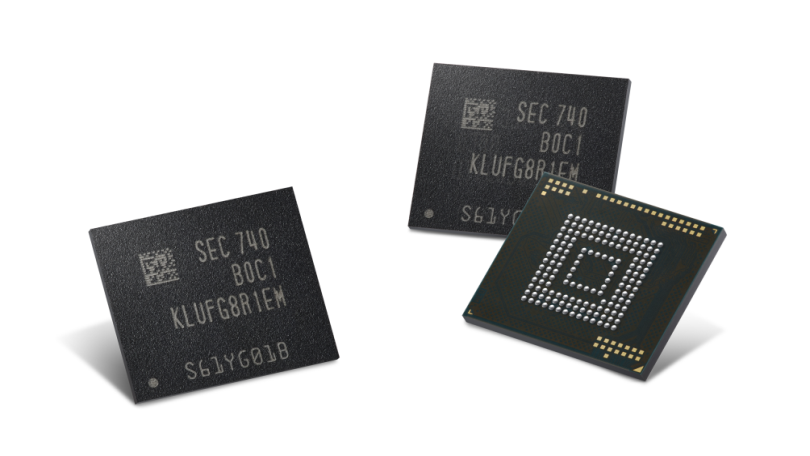
Samsung has announced its CPU manufacturing plans. CEO Si-young Choi gave a detailed explanation of Samsung’s chip production plan for the next 10 years. Before telling you the plan, let me tell you a brief history of Samsung making CPU.
Samsung’s chip-making history
In the early days, Samsung was known for its memory chips. The company was founded in 1938 as a trading company that sold groceries and other products.
In the 1960s, Samsung began producing computer chips. In 1975, it became one of the first companies in South Korea to produce DRAM (Dynamic Random Access Memory) chips.
In 1990, Samsung began producing flash memory for personal computers. Flash memory is non-volatile (it retains data even when the power is off), which makes it well-suited for use in electronic devices such as cameras, MP3 players, mobile phones and tablets.
In 2004, Samsung entered into a partnership with Intel Corporation to develop new generations of semiconductor technology including circuit design software and testing equipment.
What is the plan?
According to the plan, by 2025 we should see 2nm chips coming out of factories. Another 1nm chip is expected to be seen in 2027. In the meantime, Samsung will continue to produce high-performance computing chips used in factories such as mobile chips as well as non-mobile chips. In other words, Samsung has tripled their chip production.
Samsung said that it will use the Shell First method in order to do this kind of production. The particles in the air, The technology that filters out the impurities and cleans the air that will be used inside the manufacturing plant is called “Clean Room” technology. The factory that uses this technology is located in the state of Texas. It is being built in America at a cost of 17 billion dollars.
Sammy also announced the production of X-Cube Chips introduced in 2020. X Cube is a technology that makes it possible to produce chips in a smaller system. If this technology is finished, it is said that custom design chips will no longer be hot.
ByteDance fires 4 employees who took TikTok data of American journalists
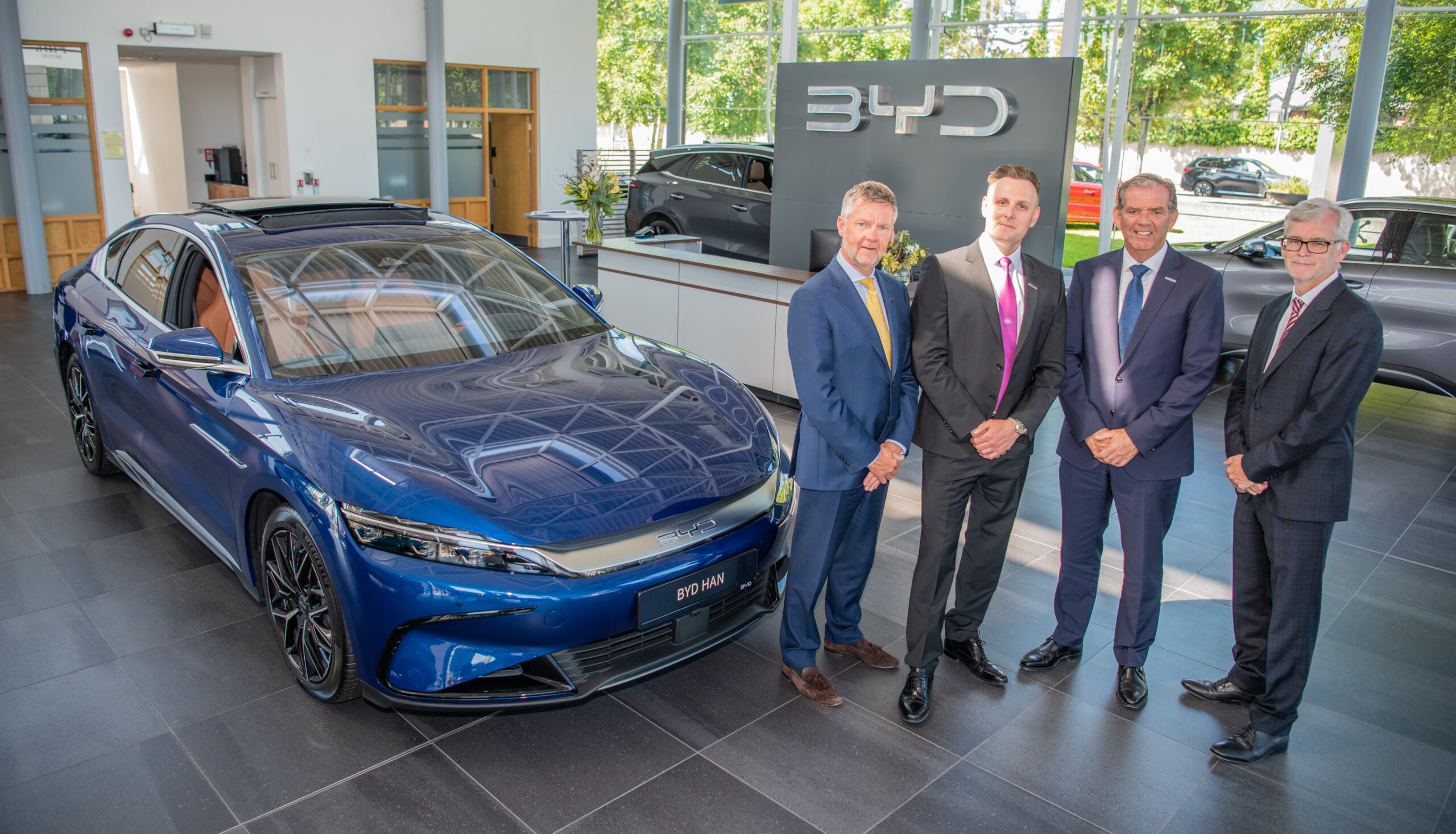
Chinese BYD, which Elon Musk laughed at, will soon overtake Tesla in the electric vehicle market

Cristiano Ronaldo introduced his own NFT Collection under the name of CR7
About The Author
